If you picture owning a Southwest Florida home that you can enjoy for part of the year and lock up with confidence when you leave, Estero deserves a serious look. Seasonal living here can offer warm winter weather, growing amenities, and a range of home styles, but it also requires smart planning for summer heat, rain, and hurricane season. This guide will help you think through what seasonal living in Estero really looks like, what to compare before you buy, and how to build a practical plan for time away. Let’s dive in.
Why Estero works for seasonal living
Estero has many of the traits seasonal buyers look for in Southwest Florida. According to the Village of Estero demographics page, the village has 36,939 residents, 25,854 households, 69 communities, and a median age of 65. That mature community profile helps explain why part-time ownership and retirement-oriented planning are such a natural fit here.
The lifestyle story is also still evolving in a positive way. The village is investing in its Village Center Hub, a long-term plan that includes civic uses, sports, and entertainment. Current plans call for a SportsPark with field hockey, football, softball, baseball, tennis, a driving range, and pickleball, along with an Entertainment District anchored by High 5, which is scheduled to open in Fall 2026.
Estero also offers established places to get outside and enjoy the area. The village highlights Estero Community Park, Koreshan State Historic Site, and Estero Bay as key recreation assets. Estero Bay is described by the village as Florida’s first aquatic preserve, which adds to the area’s appeal for buyers who want a nature-connected lifestyle during their time in town.
Home types to compare
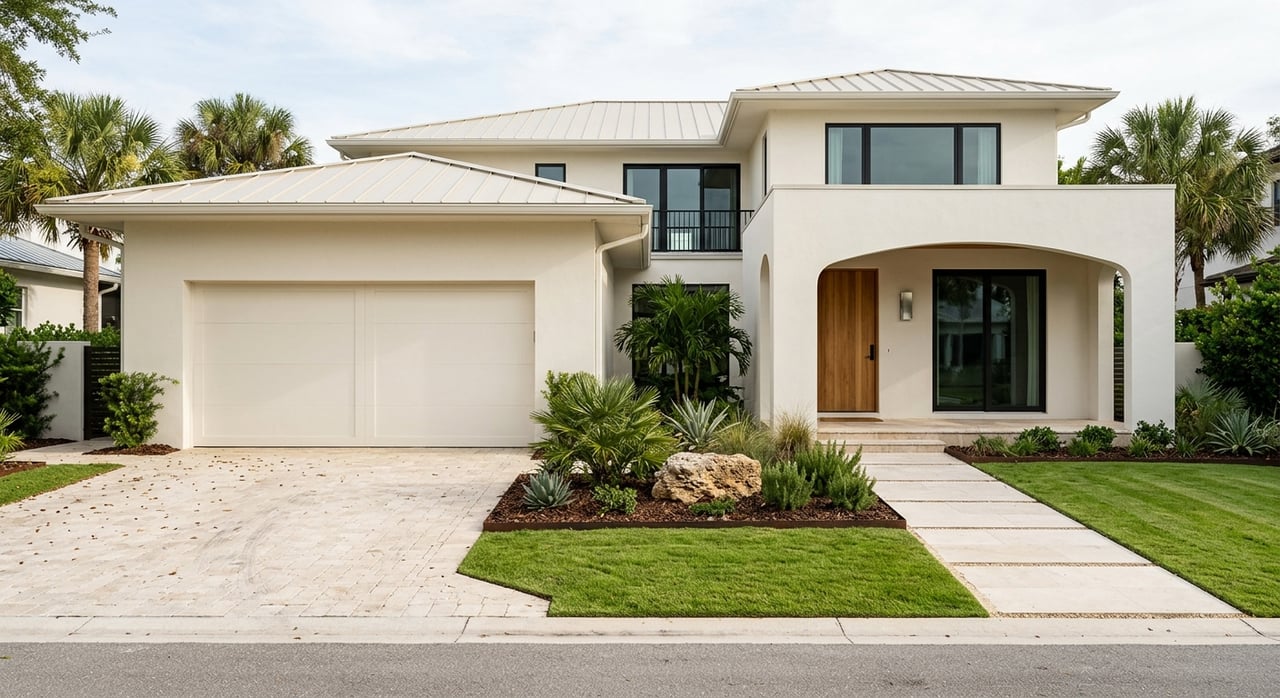
If you are planning to live in Estero seasonally, the right home is often the one that is easiest to own from afar. In this market, that means comparing more than just traditional single-family homes. Based on current village planning activity, Estero continues to show a mix of low-maintenance and multifamily development that supports options such as condos, villas, carriage homes, and association-managed communities.
One example is Via Coconut, a planned 20-acre project at Corkscrew Road and Via Coconut Point with 330 multifamily units, commercial space, a linear park, a fenced dog park, enhanced lake landscaping, and bicycle racks. For you as a buyer, this reinforces an important point: Estero can support a seasonal lifestyle in several different housing formats, each with a different level of upkeep and convenience.
Compare maintenance burden
For many seasonal owners, the biggest question is simple: how much work will the home need when you are not there? A home with more exterior responsibility may give you more privacy or space, but it can also create more moving parts during the off-season. A more association-managed property may offer easier lock-and-leave ownership, depending on what the community covers.
As you compare properties, ask specific questions about:
- Exterior maintenance responsibilities
- Landscaping coverage
- Roof and building maintenance obligations
- Pest control arrangements
- Irrigation oversight
- Storm preparation expectations
- Rules for extended vacancies
These details can shape your day-to-day experience just as much as the floor plan.
Think about turnkey readiness
Seasonal living works best when arriving feels easy. That is why many buyers focus on whether a home is turnkey, partially furnished, or unfurnished. If you only plan to be in Estero for part of the year, a home that is ready for immediate use can simplify your move and shorten your to-do list.
It also helps to think ahead about storage. Ask yourself where you will keep seasonal decor, golf gear, beach items, household supplies, or extra linens when you are away. A home that feels perfect in photos may be less practical if it lacks owner storage, garage space, or easy guest parking.
Review association rules closely
Community rules matter in every market, but they matter even more for seasonal owners. If you will come and go throughout the year, you want to understand how guest access works, what approvals may be needed, and what services the association includes. Dues are only part of the picture.
A good comparison checklist includes:
- What the association maintains
- Whether amenities are included or separate
- Parking rules for owners and guests
- Mail and package procedures
- Pet rules, if applicable
- Requirements tied to home occupancy or vacancy
- How the home is reopened after a long absence
Plan for Estero’s off-season
The lifestyle appeal of winter in Southwest Florida is easy to understand. Nearby Fort Myers climate normals show average January highs of about 75°F and February highs of about 78°F, based on National Weather Service climate data. For many seasonal residents, that weather is a major reason to own in Estero.
The other side of the equation is summer. The same climate data shows average highs around 91 to 92°F from June through August, with annual precipitation of 57.41 inches and rainfall concentrated in the warm season. If your home may sit vacant during part of that period, you will want a clear maintenance and monitoring plan.
Florida’s Atlantic hurricane season runs from June 1 through November 30. That timing should influence how you plan your departure schedule, your service calendar, and your emergency contacts. Seasonal ownership can be very workable in Estero, but it should never be passive.
Build a seasonal service calendar
A simple calendar can reduce surprises and help protect your property while you are away. In Estero’s hot, wet summer conditions, routine upkeep matters more because small issues can grow faster in an unoccupied home.
Your seasonal service plan may include:
- HVAC checks before and during summer
- Pest control scheduling
- Roof and exterior inspections
- Drainage review before heavy rain season
- Irrigation checks
- Window and door inspection
- Appliance and plumbing monitoring
- Storm-season preparation tasks
If you plan to be out of state, it also helps to have a local point person who can check the home periodically.
Prepare before you leave
Emergency planning is part of smart seasonal ownership. Ready.gov recommends creating a family communication plan, choosing an out-of-town contact, and organizing important financial and household documents. Their guidance can easily be applied to a split-time lifestyle.
Before leaving Estero for the season, consider putting a repeatable departure plan in place. That plan can include mail forwarding, package handling, utility settings, document storage, and contact information for anyone who may need to access the home in an emergency. The goal is to make your home easier to manage even when you are hundreds or thousands of miles away.
Know storm and alert resources
Property protection should be part of your relocation planning from day one. FEMA guidance on protecting property from severe winds and Ready.gov both recommend learning evacuation routes, securing property, and following local officials during weather events. That is especially important if you are not in town year-round.
Estero’s website also points residents to flood information, hurricane preparation resources, and emergency notifications through Alert Lee. For seasonal owners, these tools can help you stay informed when weather changes quickly.
Convenience factors that support split-time living
A seasonal home is not just about the property itself. It is also about how easy the area makes your travel, errands, and day-to-day logistics.
One major advantage is airport access. Southwest Florida International Airport handled 11,456,079 passengers in fiscal year 2025, which speaks to the region’s established travel infrastructure. If you expect to move between states during the year, strong airport access can make your seasonal routine feel much more manageable.
Health care access is another practical consideration. Lee Health Coconut Point is located at 23450 Via Coconut Point in Estero and offers 24/7 emergency medicine, imaging, outpatient surgery, primary care, rehabilitation, and other services in one location. The facility notes that it is less than 5 miles from I-75 and Miromar Outlets.
Amenities also help support the rhythm of part-time living. Miromar Outlets describes Estero as a location between Naples and Fort Myers with shopping, dining, entertainment, attractions, and accommodations nearby. For seasonal buyers, that kind of convenience can make arrivals easier and help guests enjoy the area too.
Questions to ask before you buy
Seasonal living in Estero works best when your home choice matches your routine. Before you buy, it helps to think through how you will actually use the property, not just how it looks during a showing.
Ask yourself:
- Will you stay for a few weeks, a few months, or most of the winter?
- Do you want the lowest-maintenance option, or more space and privacy?
- Do you need a turnkey home?
- How important are amenities, guest parking, and package handling?
- Who will check the home when you are away?
- What steps will you take before hurricane season or summer departure?
These questions can help narrow your search and prevent expensive surprises later.
Make your move with a practical plan
Relocating for seasonal living is about more than finding a sunny address. In Estero, the right plan balances lifestyle, convenience, home type, and off-season preparedness. When you line up those pieces well, you can enjoy the benefits of Southwest Florida ownership with fewer headaches and more confidence.
If you are weighing neighborhoods, home styles, or lock-and-leave options in Estero, working with a local advisor can make the process much clearer. David Burnham can help you compare communities, think through seasonal ownership logistics, and build a relocation strategy that fits the way you want to live.
FAQs
What makes Estero a good fit for seasonal living?
- Estero offers a mature community profile, established recreation assets, growing civic and entertainment investment, winter-friendly weather, and home options that can support low-maintenance ownership.
Which Estero home types are easiest to maintain from afar?
- In many cases, condos, villas, carriage homes, and other association-managed properties can be easier to manage seasonally, but the best fit depends on what the association covers and how much maintenance responsibility you want to keep.
What should you check before buying a seasonal home in Estero?
- You should review maintenance responsibilities, furnishings, storage, parking, guest access, association rules, amenity access, and how the property is managed when it is vacant for long periods.
What should seasonal owners do before leaving Estero for summer?
- Seasonal owners should create a departure plan that covers HVAC service, pest control, roof and drainage checks, irrigation, mail forwarding, utility settings, emergency contacts, and storm-season preparation.
How does hurricane season affect seasonal living in Estero?
- Because hurricane season runs from June 1 through November 30, seasonal owners should plan travel, property checks, emergency communication, and weather alerts well before leaving town.
Why is Estero convenient for a split-time lifestyle?
- Estero benefits from regional airport access through Southwest Florida International Airport, local shopping and dining amenities, and nearby health care services such as Lee Health Coconut Point.