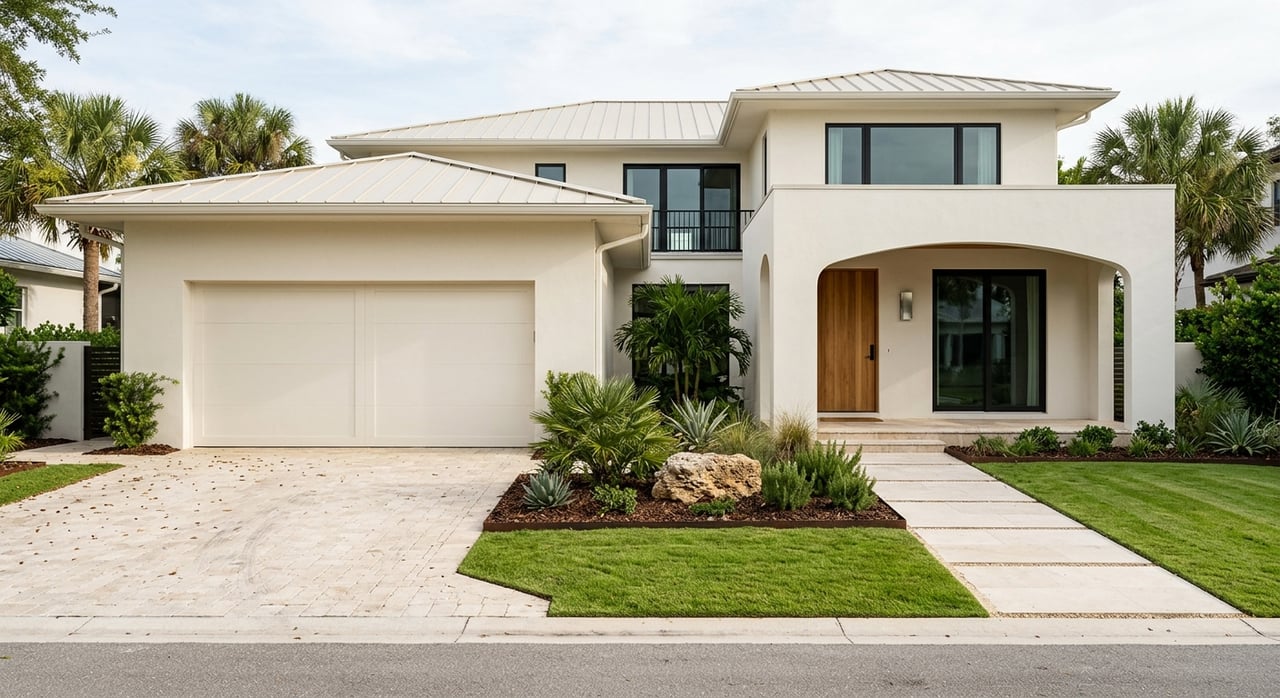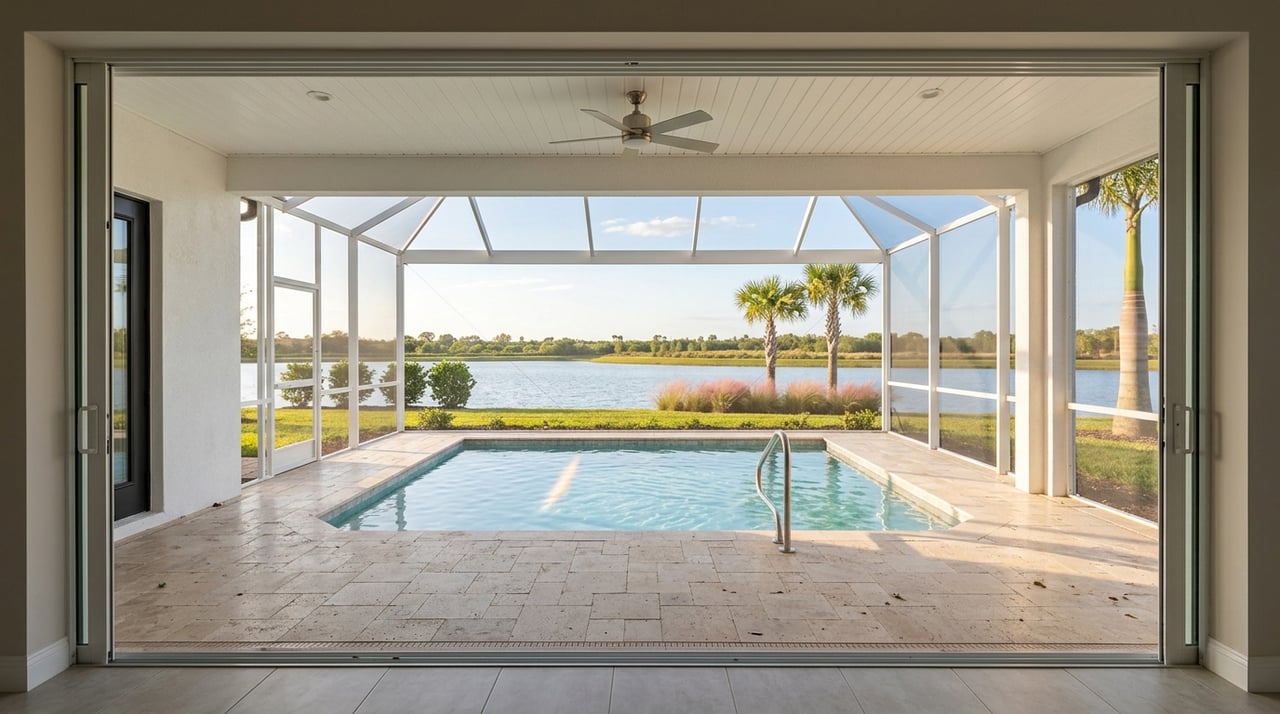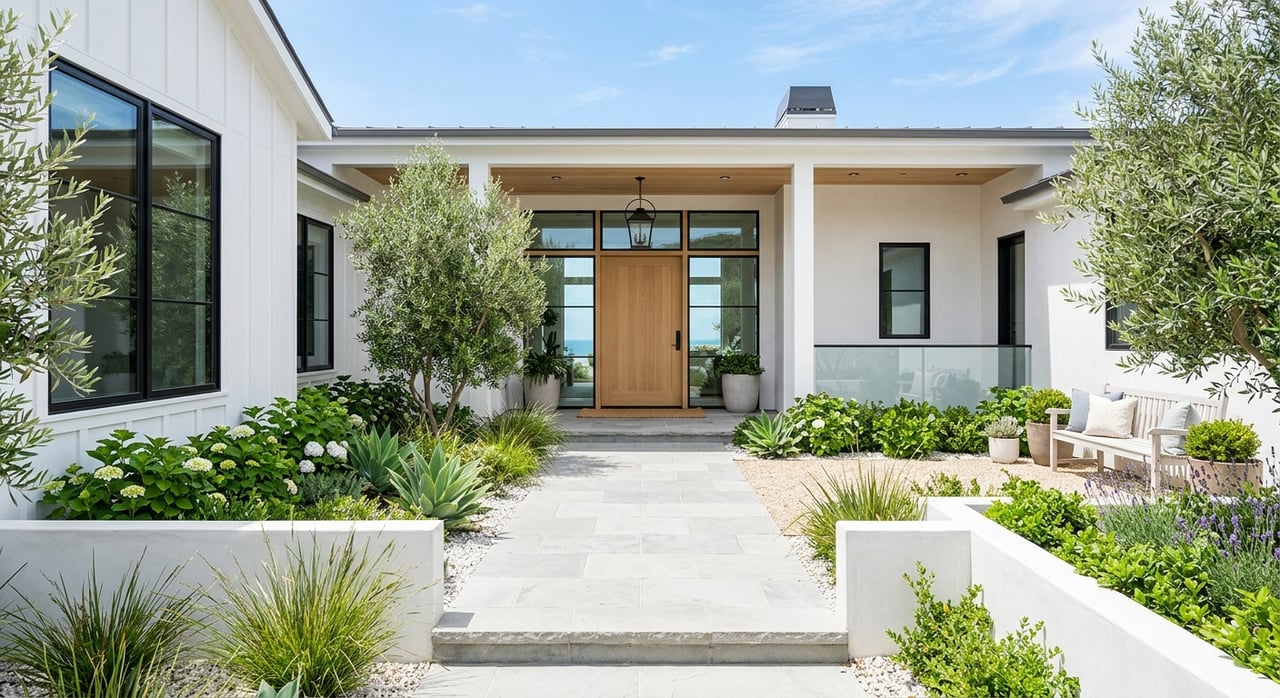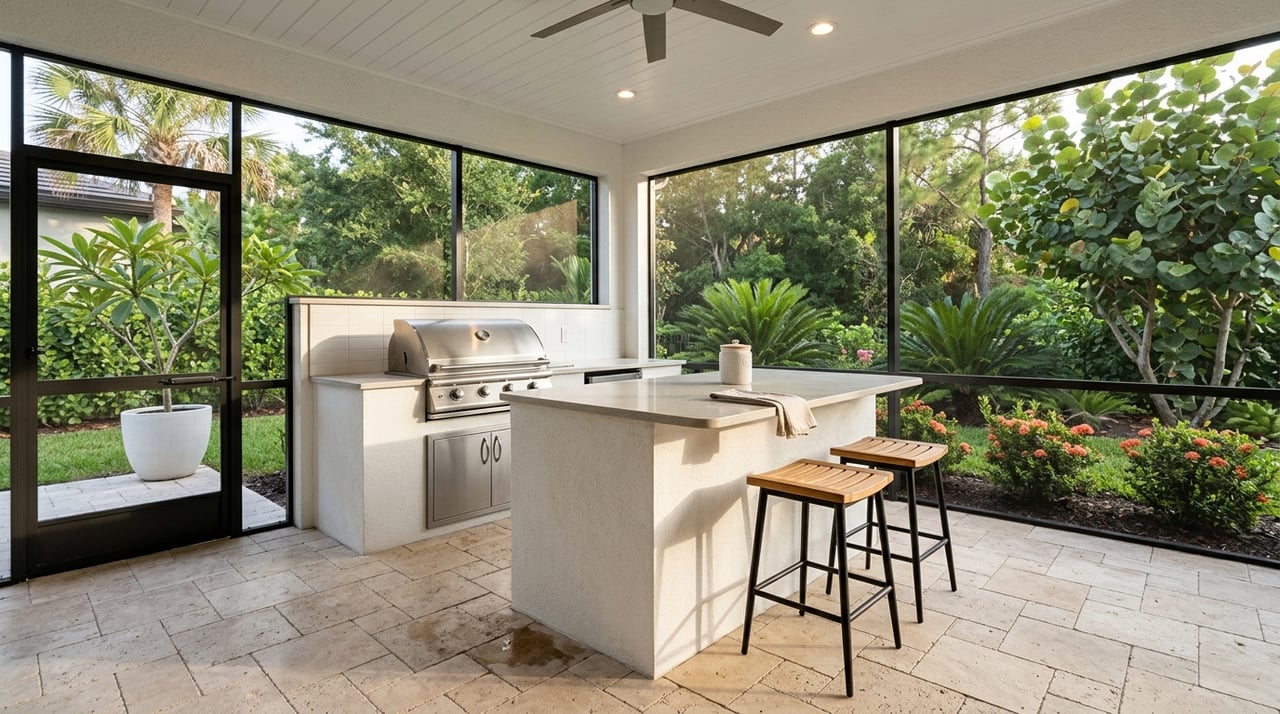
If you picture life in Cape Coral, chances are the backyard is part of the dream. A shaded lanai, a pool deck that actually gets used, and a layout that works through heat, rain, and storm season can make a huge difference in how your home lives day to day. Whether you are updating your current home or thinking about future resale, smart outdoor design starts with local conditions, practical planning, and the right priorities. Let’s dive in.
Build for Cape Coral weather
Outdoor living in Cape Coral works best when it is designed around heat, humidity, and summer rain. Nearby climate normals for Fort Myers show average summer highs of 91.4°F, average summer lows of 74.5°F, and 29.47 inches of precipitation from June through August, according to the National Weather Service climate data. By contrast, winter is much milder, which means most outdoor spaces do not need to be built for cold as much as they need to be built for shade, airflow, and drainage.
That simple reality affects almost every design choice you make. Covered seating, breezier layouts, surfaces that handle water well, and storage for cushions or decor all tend to matter more here than heavy enclosure or seasonal-only features.
Prioritize shade and airflow
In a hot climate, shade is not just a comfort upgrade. It is part of making the space usable for more of the year. The U.S. Department of Energy notes that trees, shrubs, and vines can help shade patios, walls, roofs, and driveways, and shaded areas under trees can be much cooler than nearby hard surfaces.
For Cape Coral homes, the goal is usually balanced shade. You want relief from direct sun without blocking every breeze that makes the lanai or patio feel comfortable.
Plan for heavy rain and cleanup
Cape Coral summers bring a lot of rainfall, so outdoor spaces should shed water well and recover quickly after storms. The city also advises residents to maintain swales, clear drainage pathways, and secure outdoor items before storms, as outlined on the city’s flood protection page.
That favors practical choices like movable furniture, easy-to-clean surfaces, and protected storage for items you do not want left out in bad weather. A beautiful backyard is great, but a backyard that is easy to reset after a summer storm is even better.
Divide the backyard into zones
One of the best ways to design an outdoor living space is to think in zones instead of one large open area. This approach often creates a more functional layout and helps the space feel more intentional.
A strong Cape Coral setup may include:
- A covered dining space near the kitchen
- A shaded lounge area for everyday use
- A sunny pool or tanning deck
- A storage niche for cushions, pool toys, and maintenance items
This kind of layout lines up with findings from the National Association of REALTORS® 2023 Remodeling Impact Report, which shows homeowners value outdoor projects for livability, functionality, and beauty.
Keep the kitchen connection strong
If you enjoy entertaining, the dining area should feel easy to reach from inside. Even a simple layout change can improve flow and make outdoor meals or weekend gatherings feel less like work.
When a covered dining zone sits near the kitchen or main living area, you usually get better everyday use from the space. That matters if you want your backyard to feel like an extension of the home instead of a separate project.
Give each zone a job
A backyard does not need to be huge to feel luxurious. It just needs clear purpose. If each area has a role, such as dining, lounging, swimming, or storage, the space often feels more polished and easier to enjoy.
This also helps when it is time to sell. Buyers often respond well to spaces that feel ready to use and easy to understand.
Screened lanais matter in Southwest Florida
In Cape Coral, a screened lanai or pool enclosure is often a practical feature, not just a style preference. Mosquitoes are part of outdoor life in Florida, and the CDC recommends repairing screens and removing standing water around the home.
That makes screens a helpful comfort feature for many homeowners. They can support more consistent use of the outdoor space while also helping reduce the frustration that comes with bugs and debris.
Think about screens early
If your project may include a new enclosure or pool deck expansion, it helps to plan around permits from the beginning. Cape Coral routes these projects through specific permit types, and the city notes that pool safety barriers and screen enclosures are handled separately from the pool permit itself in certain cases, as described in the city’s pool deck addition notice.
As of March 1, 2026, the city also requires a separate permit for all pool safety barriers, including fences, screen enclosures, and screen room pan roofs, according to this Cape Coral permit notice. In short, if a screen enclosure is part of your vision, treat it as a key part of the planning process, not an afterthought.
Choose materials and plants for local conditions
Cape Coral’s outdoor spaces usually perform best when they are designed for salt exposure, strong sun, and water-conscious maintenance. A yard that looks great on day one but struggles with climate or irrigation limits can become frustrating fast.
The UF/IFAS Florida-Friendly Landscaping principles focus on the right plant in the right place, efficient irrigation, mulch, runoff reduction, and protecting waterfront conditions. That is a smart framework for any outdoor project in Southwest Florida.
Use low-stress planting choices
For coastal planting beds, UF/IFAS highlights salt-tolerant options such as saw palmetto, beach sunflower, sea oats, sea lavender, and spider lily. These kinds of plants can help soften patios and pool decks without creating high-maintenance beds.
That does not mean every yard needs the same look. It means your plant palette should reflect sun, moisture, and salt exposure so the design holds up over time.
Be selective with turf
Grass choice matters more than many buyers and sellers realize, especially on exposed or canal-adjacent lots. UF/IFAS reports that seashore paspalum thrives in salt-affected sites, while St. Augustinegrass and zoysiagrass have moderate to high salinity tolerance. Bahiagrass and centipedegrass have less salt tolerance.
If your yard may get salt spray or saltier irrigation, choosing the right turf from the start can reduce stress, patchiness, and replacement costs later.
Design irrigation conservatively
Water-smart planning is part of good outdoor design in Cape Coral. The city’s watering schedule and water conservation guidance recommends drip or trickle irrigation, moisture sensors, reclaimed water where available, and mulch. The same page notes that mulch can reduce water needed in a garden by as much as 50 percent.
Because the city also notes active restrictions in parts of NE Cape Coral, it makes sense to avoid overly irrigation-heavy designs. In many cases, a simpler plant palette with mulch and efficient irrigation will be easier to maintain and more resilient.
Talk about flood risk before building
Flood risk is a big part of outdoor planning in Cape Coral. The city states that most residents live in a flood zone within a Special Flood Hazard Area, and that 25% of flooding occurs outside mapped SFHAs, according to its flood protection resources.
That means grading, drainage, and elevation should be part of the design conversation even if a lot does not appear high-risk at first glance. The city’s Flood Risk Information Portal can also help property owners check flood zone, Base Flood Elevation, and Design Flood Elevation by address.
Why this matters for buyers and sellers
If a home in a Special Flood Hazard Area is not flood-compliant, the city says flood-damage prevention rules may affect remodels, renovations, or additions. It also notes that substantial improvement can trigger compliance requirements.
For buyers, this is a reminder to look beyond the look of the backyard and ask the right questions before taking on a project. For sellers, it is a reason to understand the status of any outdoor upgrades before bringing the home to market.
Think about resale, not just enjoyment
The best outdoor spaces do both. They improve how you live in the home now and help tell a stronger story when it is time to sell.
Nationally, the NAR Remodeling Impact Report estimated cost recovery at 104% for landscape maintenance, 89% for wood deck replacement, 83% for irrigation system installation, and 56% for an in-ground pool addition. These are national averages, not Cape Coral-specific guarantees, but they do support the idea that functional, polished outdoor spaces can add real appeal.
Focus on what buyers notice
In Cape Coral, buyers often respond to outdoor spaces that feel clean, usable, and easy to maintain. Shade, a logical layout, durable landscaping, and storm-smart planning tend to read as value because they make the home feel better prepared for local living.
For sellers, that can become part of the marketing story. A backyard that photographs well and works well can support stronger first impressions online and in person.
Start with a smart local plan
A great outdoor living space in Cape Coral is not just about adding more features. It is about designing for how people actually live here, with heat, humidity, rain, screens, salt exposure, and flood considerations all in the mix.
If you are buying, selling, or planning improvements before a move, local strategy matters. David Burnham can help you evaluate what features fit your property, what buyers may value, and how to position your home for the Southwest Florida lifestyle.
FAQs
What outdoor features work best for Cape Coral homes?
- Outdoor features that often fit Cape Coral homes well include covered lanais, shaded seating areas, screened pool enclosures, practical storage, water-conscious landscaping, and layouts that support drainage and airflow.
Do outdoor projects in Cape Coral need permits?
- Yes, many exterior projects require permits in Cape Coral, and the city processes applications online through EnerGov rather than issuing them immediately at the counter.
Why is flood planning important for Cape Coral backyards?
- Flood planning matters because Cape Coral says most residents live in a flood zone within a Special Flood Hazard Area, and drainage, grading, elevation, and compliance can affect outdoor improvements.
Are screened lanais useful for Cape Coral outdoor living?
- Yes, screened lanais can be a practical comfort feature in Cape Coral because they help address mosquitoes and can make outdoor spaces easier to use more consistently.
Which landscaping ideas fit Cape Coral yards?
- Landscaping ideas that often fit Cape Coral yards include salt-tolerant plants, mulch-heavy beds, efficient irrigation, and plant groupings selected for the site’s sun, moisture, and salt exposure.